
Kakobuy Shipping Cost Guide: Weight, Volume and Smarter Parcel Planning
Understand the variables behind Kakobuy shipping cost, estimate a parcel before checkout and compare packing choices without relying on a fixed quote.
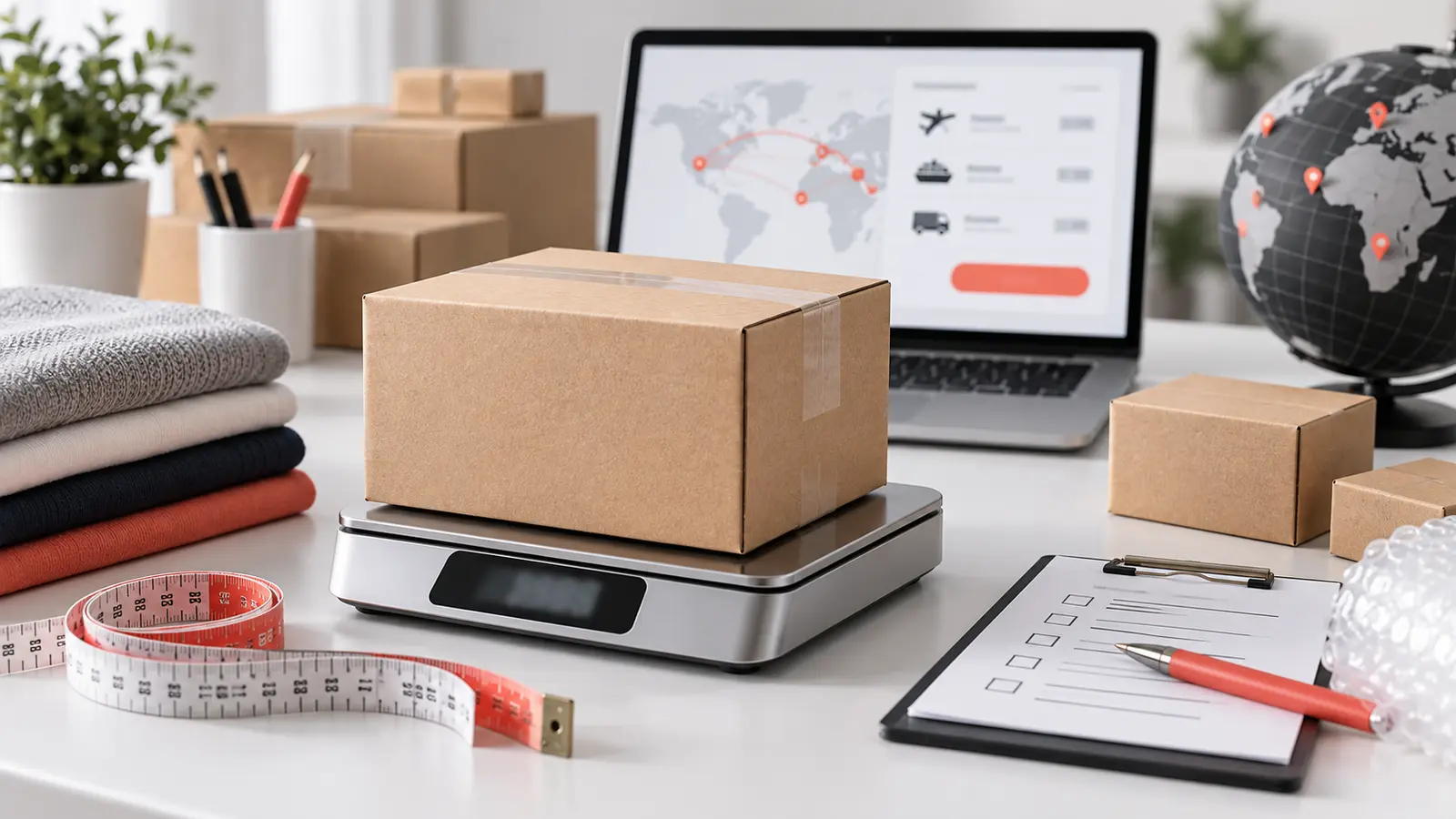
Kakobuy shipping cost cannot be estimated accurately from the product price alone. International parcel pricing depends on the packed weight, package dimensions, destination, available transport line and current rules for the item type. A low-cost product can be expensive to ship if it is bulky, while several compact items may share a parcel efficiently. The useful goal is not to guess one perfect number before purchase. It is to understand the variables, build a reasonable range and verify the final quote after the items reach the warehouse.
A spreadsheet helps at the product-discovery stage by showing the recorded item price, images and category. Shipping information becomes clearer later, when actual items can be weighed and packed. This guide explains how to connect those stages, how to compare actual and volumetric weight, and how to make packing decisions without treating an early estimate as a guarantee.
Separate item price from international shipping
The amount shown on a product card normally represents the source item, not the complete delivered cost. Your eventual total may include the selected item option, domestic delivery to the warehouse, optional services, packing choices, international freight and destination-related charges. The exact structure can change, so use the current Kakobuy order and parcel pages for final values. A spreadsheet price is best used to compare products at the same research stage.
Keep two running totals: merchandise and logistics. This prevents a cheap-looking cart from hiding a costly parcel. Record the selected variant and quantity, because a larger size, reinforced version or bundled set may weigh more than the base listing. When a seller page shows several options under one card price, do not calculate shipping until you know which version you are actually considering.
Actual weight and volumetric weight
Actual weight is what the packed parcel weighs on a scale. Volumetric weight is a pricing measurement based on the space a parcel occupies. Some shipping lines compare the two and charge using the greater value under their current formula. This is why a large, light box can cost more than a smaller parcel with the same scale weight. The divisor and calculation rules vary by line and can change, so do not apply one internet formula to every option.
Before warehouse packing, both figures are estimates. Seller descriptions may omit packaging weight, and the final box dimensions depend on how items fit together. Once the warehouse provides measured weight and dimensions, use those values in the current calculator or line-selection interface. If a line prices by volume, reducing empty space may matter more than removing a few grams.
Build a pre-purchase estimate from categories
You can still plan before ordering. Group items as dense, soft or bulky. Shoes with boxes, structured bags and protective electronics packaging often occupy more space than folded clothing. Hoodies and jackets may compress but still add meaningful weight. Belts, small accessories and thin T-shirts are usually easier to combine, though actual materials and packaging vary. The categories provide planning clues, not fixed weights.
Use a range rather than a single estimate. Start with the product’s likely item weight, add a packaging allowance and consider whether the item keeps a rigid retail box. For a multi-item haul, create a low estimate and a cautious estimate. If the project is only affordable under the lowest number, the plan has little room for measurement changes. A useful budget survives the cautious scenario.
Why packaging choices change the quote
Outer cartons, shoe boxes, presentation boxes, protective material and empty space all affect parcel weight or dimensions. Removing retail packaging may reduce the charge, but it can also reduce protection or eliminate something you want to keep. The right decision depends on the item. Soft clothing may tolerate compact packing, while fragile, structured or collectible goods may need more support.
Do not request the smallest possible parcel without considering damage risk. Instead, decide which packaging is essential, optional or unwanted. Keep protection around fragile areas, and remove only packaging that does not serve your goal. If the platform offers a packing preview or rehearsal-style service, use the resulting measurements to compare shipping lines with better information.
Combining items versus splitting parcels
Combining items can spread fixed packaging weight across a larger order and may create a better rate per item. It also creates a heavier or more valuable parcel and may reduce the number of suitable shipping lines. Splitting can make each package easier to handle and may separate restricted categories, but it repeats base charges and packaging. There is no universal rule that one large parcel is always cheaper.
Compare at least two scenarios when the order is substantial: one combined parcel and a logical split. A logical split groups items by size, fragility or shipping restrictions rather than dividing randomly. Use the measured weight and dimensions for each proposed package. If the platform does not show an exact alternative before submission, keep the decision conservative and avoid assuming that a theoretical split will receive the same rate.
Shipping lines are not interchangeable
Available lines can differ by destination, parcel size, weight limits, tracking, delivery method and accepted product type. The cheapest visible line may not accept the parcel after its contents and dimensions are considered. A faster line may apply a volumetric formula that changes the ranking. Always compare the options shown for the actual packed parcel rather than relying on a route mentioned in an older guide.
Read the current line notes. Look for size limits, restricted-item rules, tracking scope, compensation terms and whether remote-area fees may apply. Transit estimates are ranges, not appointment times. Customs processing, carrier handoffs, weather and seasonal volume can change delivery. Choose a line based on the parcel and your tolerance for time, tracking detail and cost.
Restricted and sensitive items
Batteries, electronics, liquids, fragrances, aerosols, magnets and other sensitive categories may have fewer available routes. Packaging or declaration requirements can also differ. A product being available in the source catalog does not mean every international line will accept it. Check current restrictions before placing a time-sensitive order, especially when the cart mixes ordinary clothing with a sensitive item.
If one restricted item removes several otherwise suitable lines, compare a separate parcel for that item. Do not misdescribe contents to obtain a cheaper option. Accurate information is important for carrier handling and customs processing. When the rule is unclear, use the current platform guidance or support channel rather than relying on an old spreadsheet note.
Customs, taxes and destination costs
Destination charges depend on local law, declared information, parcel contents and the carrier’s procedures. A shipping quote does not necessarily include every tax, duty, brokerage or handling fee that may be collected later. Rules can change and different destinations apply different thresholds. No spreadsheet can guarantee that a parcel will avoid inspection or additional charges.
Build a destination allowance into the cautious budget and verify local requirements yourself. Keep order records, product descriptions and shipping documents organized. If you are unsure whether an item is permitted, resolve that question before shipping. A lower freight quote is not useful if the parcel does not comply with the destination or carrier rules.
Calculate landed cost by item
After receiving the final parcel quote, allocate shipping back to the items. A simple equal split can be misleading when one bulky product drives most of the package volume. Use weight, volume or a reasonable combination to estimate each item’s share. Add the source price, domestic cost, services and allocated international shipping. This gives you an estimated landed cost that is more useful than the product card price alone.
This calculation improves future decisions. You may learn that compact accessories remain economical while boxed footwear changes sharply after freight. Save the result with the item category and packing choice. Over several parcels, your own records become more relevant than generic estimates because they reflect your destination, preferred lines and tolerance for packaging removal.
A practical parcel-planning workflow
- Shortlist products in the spreadsheet and verify the exact options in Kakobuy.
- Estimate merchandise and logistics separately using low and cautious ranges.
- Identify bulky, fragile or restricted items before submitting orders.
- Review QC and confirm which products should enter the parcel.
- Choose essential protection and decide which optional packaging can be removed.
- Use the warehouse weight and dimensions to compare current shipping lines.
- Compare a combined parcel with a logical split when the difference could be material.
- Add a destination-cost allowance and calculate estimated landed cost.
Common Kakobuy shipping estimate mistakes
- Treating the product price as the delivered total.
- Using a single guessed weight instead of a realistic range.
- Ignoring box dimensions when a line may charge by volumetric weight.
- Removing all packaging without considering protection.
- Assuming one large parcel is always cheaper than two smaller parcels.
- Choosing a line from an old guide instead of the current parcel options.
- Forgetting that destination charges may fall outside the freight quote.
Final planning checklist
Confirm the exact items and options. Mark which products are bulky, fragile or sensitive. Keep a cautious merchandise and shipping budget. After warehouse arrival, review QC before paying for international freight. Use measured weight and dimensions, compare only lines currently offered for the parcel and read their restrictions. Decide whether packaging removal or a parcel split provides a real benefit, then keep room for destination-related costs.
A Kakobuy shipping calculator is most useful after the parcel data is known. Before that point, good planning is about ranges and tradeoffs. Treat the spreadsheet as the discovery layer, warehouse measurements as the logistics evidence and the live shipping interface as the final quote. That sequence will not remove every variable, but it will replace guesswork with a repeatable process and make the true cost of each product easier to understand.
Continue reading

How to Use a Kakobuy Spreadsheet: Search, Compare and Verify Product Links
Learn a repeatable way to search thousands of Kakobuy product links, compare listings and verify the final item before ordering.
Read guide →
How to Read Kakobuy QC Photos Before You Approve an Item
A category-by-category QC photo checklist for checking visible details without confusing source images with your own warehouse inspection.
Read guide →